 admin
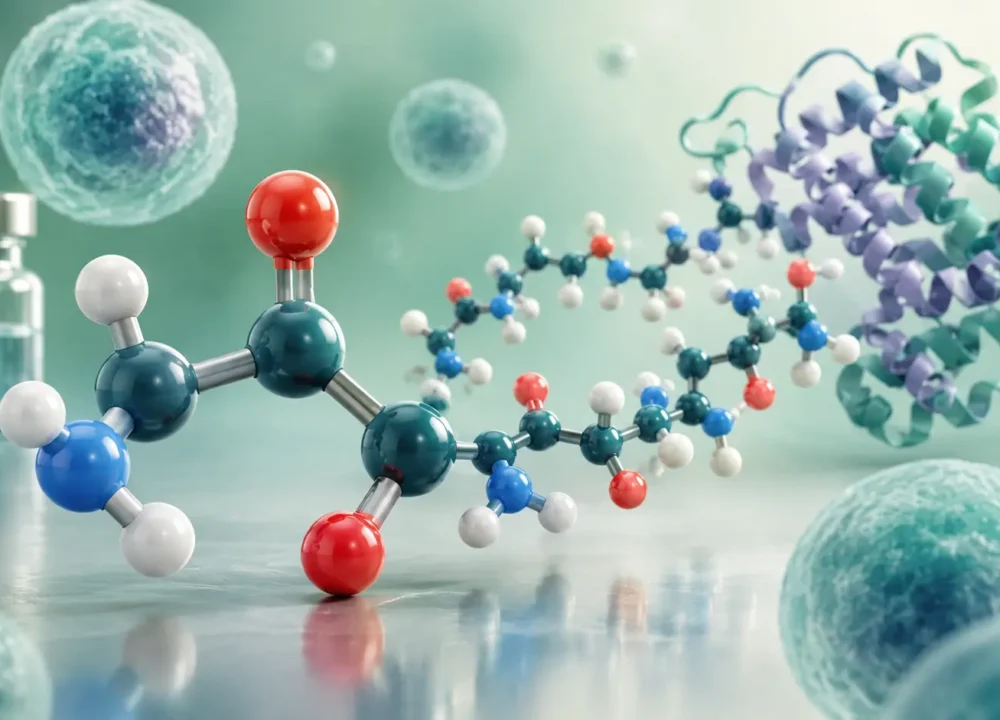
Amino acids are among the most important molecules in the human body, yet many people only hear about them when reading protein labels, buying fitness supplements or learning about nutrition. Understanding the amino acid meaning helps explain how the body builds proteins, repairs tissues, supports muscle function and carries out countless biological processes.
Amino acids are often described as the building blocks of protein. That simple description is accurate, but their role goes much further. They participate in metabolism, support the production of important molecules and help the body maintain its normal functions.
Whether you are interested in nutrition, fitness, biology or scientific research, understanding amino acids provides a useful foundation for learning how the body works.
What Is the Meaning of Amino Acid?
An amino acid is an organic molecule that contains amino and carboxyl functional groups. Amino acids are the basic units that combine to form proteins.
In simple English, amino acids are small molecules that the body uses to build and maintain proteins. When you eat protein-rich foods, your digestive system breaks the proteins down into smaller components, including amino acids. These molecules can then be used to create new proteins needed by your body.
Proteins are involved in many essential processes, including:
- Building and repairing body tissues
- Supporting muscle structure
- Producing enzymes
- Maintaining normal immune functions
- Creating certain hormones and chemical messengers
- Supporting skin, hair and other body structures
The human body uses 20 common amino acids to build proteins. Each amino acid has a specific chemical structure, and the order in which amino acids are connected determines the characteristics and functions of the resulting protein.
For example, proteins in muscle tissue have different structures and functions from proteins that help transport substances through the bloodstream.
How Do Amino Acids Work?
Amino acids work by connecting to one another through chemical bonds called peptide bonds. When multiple amino acids join together, they form a chain. These chains may fold into complex structures, creating proteins with specific biological functions.
The process begins with food. When someone eats eggs, fish, beans, dairy products or other protein-containing foods, digestion breaks proteins into smaller peptides and amino acids.
The body absorbs these components through the digestive system and uses them for different purposes. Some are incorporated into newly produced proteins, while others participate in metabolic pathways or may be used for energy when needed.
The sequence of amino acids matters. Changing the order of amino acids can change the shape, stability and function of a protein. This is one reason proteins can perform such a wide range of jobs in the body.
What Are the Three Types of Amino Acids?
Amino acids are commonly classified according to whether the body can produce them or must obtain them through food.
1. Essential Amino Acids
Essential amino acids are those that the human body cannot produce in sufficient amounts on its own under normal conditions. Therefore, they must be obtained through the diet.
There are nine essential amino acids:
| Essential amino acid | General role |
|---|---|
| Histidine | Supports the production of important compounds and tissue functions |
| Isoleucine | Involved in energy metabolism and muscle function |
| Leucine | Plays a role in protein synthesis and muscle metabolism |
| Lysine | Supports protein formation and tissue maintenance |
| Methionine | Involved in metabolism and sulfur-containing compounds |
| Phenylalanine | A precursor for several important molecules |
| Threonine | Contributes to protein structure and tissue functions |
| Tryptophan | A precursor to serotonin and other compounds |
| Valine | Involved in muscle metabolism and energy processes |
Because the body cannot manufacture these amino acids in adequate amounts, dietary intake is important.
Foods containing complete proteins, such as eggs, dairy, fish, meat and some plant foods, can provide all nine essential amino acids. A well-planned plant-based diet can also supply them through a variety of protein sources.
2. Nonessential Amino Acids
Nonessential amino acids are amino acids that the body can normally produce on its own.
The term “nonessential” does not mean these molecules are unimportant. It simply refers to the body’s ability to synthesize them without relying entirely on dietary intake.
Examples include:
- Alanine
- Asparagine
- Aspartic acid
- Glutamic acid
- Serine
- Glycine
- Glutamine
- Proline
- Arginine
- Cysteine
- Tyrosine
These amino acids are still involved in important biological activities, including protein formation, metabolism and the production of other compounds.
Their classification can sometimes vary depending on age, health status and physiological circumstances.
3. Conditionally Essential Amino Acids
Conditionally essential amino acids are normally produced by the body, but certain circumstances may increase the body’s requirements or limit its ability to produce enough.
These circumstances can include severe illness, injury, periods of significant physical stress or particular stages of development.
Examples often include glutamine, arginine, cysteine, glycine, proline, tyrosine and serine.
This classification highlights an important point: nutritional needs are not always identical for everyone. The body’s requirements may change depending on its condition, activity and stage of life.
Scientific reference: MedlinePlus and the National Institutes of Health explain amino acid classifications and their role in protein formation.
Why Are Amino Acids Important for the Human Body?
Amino acids are important because they help the body create proteins and support processes that keep cells, tissues and organs functioning.
Muscle Growth and Repair
Muscles contain proteins that help produce movement, maintain structure and support physical activity. Amino acids provide the materials required to build and replace muscle proteins.
During exercise, particularly resistance training, muscle tissue experiences stress. The body uses amino acids as part of its ongoing repair and adaptation processes.
However, amino acids alone do not automatically create muscle growth. Training, sufficient nutrition, recovery, sleep and other factors all influence muscle development.
Tissue Maintenance and Recovery
The body continuously replaces and repairs cells and tissues. Amino acids contribute to this process by supporting the production of proteins involved in structural maintenance.
They are important for tissues throughout the body, including skin, connective tissue and other structures that depend on proteins.
Enzyme Production
Many enzymes are proteins. Enzymes help chemical reactions occur efficiently, including reactions involved in digestion, energy production and metabolism.
Amino acids are therefore essential for creating the enzymes the body needs to carry out everyday biological processes.
Hormones and Chemical Messengers
Certain amino acids act as starting materials for hormones and neurotransmitters or other biologically active compounds.
For example, tryptophan contributes to serotonin production, while tyrosine is involved in the production of several important chemical messengers.
These pathways demonstrate that amino acids are not simply structural materials. They also contribute to communication and regulation within the body.
Immune System Support
The immune system relies on proteins and various molecules to identify and respond to challenges. Amino acids help provide the materials required to maintain these proteins and support normal immune-related processes.
Their availability is one part of overall nutrition, which is important for maintaining normal immune function.
What Foods Contain Amino Acids?
Amino acids are found in protein-containing foods. Both animal-based and plant-based foods can provide amino acids, making it possible for people with different dietary preferences to meet their nutritional needs.
Animal-Based Sources
Animal foods commonly provide high-quality protein containing all nine essential amino acids.
Examples include:
- Eggs
- Chicken
- Fish and seafood
- Beef
- Milk
- Yogurt
- Cheese
These foods can be useful for people looking to include protein in their everyday meals. Their nutritional value also depends on other nutrients, preparation methods and portion sizes.
Plant-Based Sources
Plant foods can also provide amino acids. Some contain all nine essential amino acids, while others have lower amounts of one or more essential amino acids.
Examples include:
- Lentils
- Chickpeas
- Beans
- Soybeans
- Tofu
- Quinoa
- Nuts
- Seeds
- Whole grains
A varied plant-based diet can provide the essential amino acids the body needs. Eating different plant protein sources throughout the day can help support a balanced amino acid intake. There is generally no need to combine specific plant proteins at every individual meal.
Amino Acids vs. Proteins: What Is the Difference?
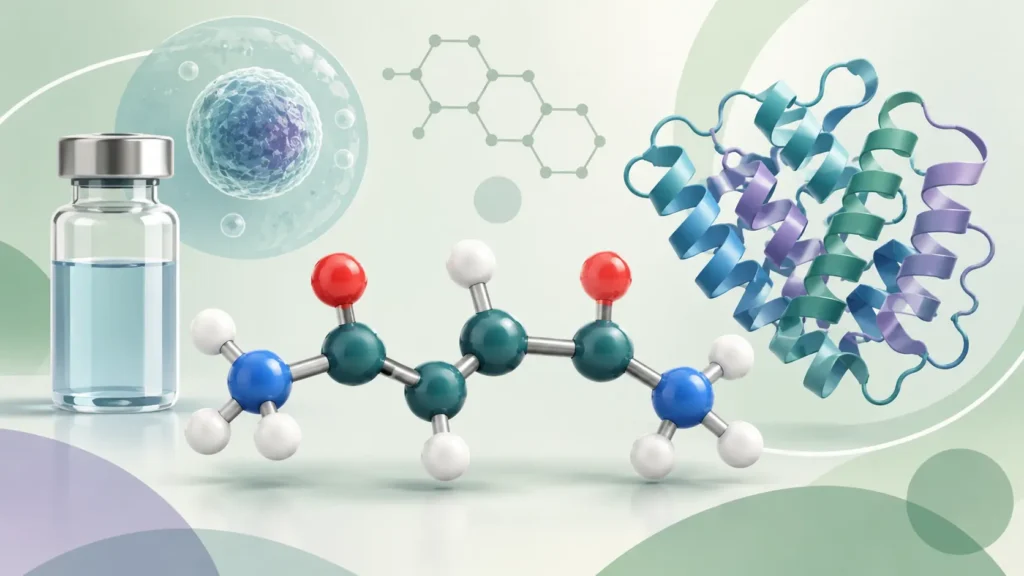
Amino acids and proteins are closely connected, but they are not the same thing.
| Amino acids | Proteins |
|---|---|
| Small organic molecules | Larger molecules made from amino acid chains |
| Building blocks of proteins | Structures formed by connected amino acids |
| Can exist individually | Often contain one or more folded amino acid chains |
| Used in protein synthesis and other metabolic pathways | Perform structural, enzymatic and many other functions |
A simple way to understand the relationship is to imagine a construction project. Amino acids are the individual building materials, while proteins are the finished structures assembled from those materials.
Different combinations and arrangements of amino acids create proteins with different shapes and functions.
What Is the Difference Between Amino Acids and Peptides?
Amino acids, peptides and proteins are related terms used in biology and biochemistry.
An amino acid is a basic molecular unit. When two or more amino acids connect through peptide bonds, they form a peptide chain. Longer chains can form polypeptides, which may fold into functional proteins.
The boundaries between peptides and proteins are not always defined by one universally accepted number of amino acids. In general, peptides are shorter chains, while proteins usually refer to larger, more complex structures.
This relationship is important in scientific research because scientists study individual amino acids, peptide sequences and proteins to understand biological processes.
Are Amino Acid Supplements Necessary?
Amino acid supplements are available in different forms, including essential amino acid blends, branched-chain amino acid products and individual amino acid supplements.
These products are marketed for different purposes, including exercise recovery, nutritional support and other wellness-related goals. However, supplements are not automatically necessary for everyone.
People who consume a varied diet containing adequate protein may already obtain sufficient amino acids from their food.
Supplement needs may depend on factors such as:
- Dietary intake
- Training demands
- Age
- Medical conditions
- Nutritional deficiencies
- Individual health requirements
It is important to avoid assuming that taking more amino acids will automatically produce better results. Supplements can have side effects, interact with medications or be unsuitable for people with certain health conditions.
Anyone considering amino acid supplementation for a specific medical or nutritional reason should seek advice from a qualified healthcare professional.
Can the Body Produce Amino Acids Naturally?
Yes. The human body can produce many amino acids through metabolic processes.
Nonessential amino acids can be synthesized using other compounds available within the body. This ability allows the body to maintain amino acid availability even when certain amino acids are not directly consumed in food.
However, the body cannot produce all nine essential amino acids in sufficient quantities. These must be obtained from dietary sources.
The body’s ability to manufacture amino acids is one reason balanced nutrition matters. Protein intake supplies essential amino acids while also supporting the body’s broader nutritional needs.
Why Is the Amino Acid Meaning Important in Nutrition and Research?
Understanding amino acids can make nutrition labels, fitness discussions and scientific information easier to interpret.
When a food product advertises protein content, amino acids are part of the reason that protein is nutritionally valuable. When researchers investigate peptides or proteins, amino acid composition and sequence are often central to understanding how a molecule behaves.
The topic also helps explain why protein quality matters. Two foods may contain similar amounts of total protein but differ in their amino acid composition, digestibility and overall nutritional profile.
For people learning about biology, amino acids provide a starting point for understanding how cells build structures, perform chemical reactions and maintain their functions.
For readers exploring peptide science, the relationship between amino acids, peptide chains and proteins is particularly useful. Peptides are made from amino acids, but their structure, length and biological activity can differ considerably.
Scientific research into these molecules continues to explore their functions and interactions. Research findings, however, should not automatically be interpreted as evidence that a particular amino acid, peptide or supplement will produce a specific health benefit in humans.
Conclusion: Understanding the Amino Acid Meaning
The amino acid meaning is simple: amino acids are small organic molecules that serve as the building blocks of proteins. Yet their importance extends throughout the body, from muscle maintenance and tissue repair to enzyme production, metabolism and cellular functions.
The human body uses 20 common amino acids to build proteins. Nine are essential and must come from food, while others can normally be produced by the body. Some may become conditionally essential during certain circumstances.
A balanced diet containing a variety of protein sources is generally the foundation for meeting amino acid requirements. Understanding the relationship between amino acids, peptides and proteins also provides a valuable starting point for exploring nutrition, biology and peptide research.
For anyone interested in how the body works, amino acids are one of the most fundamental concepts worth learning.
Scientific references:
8. Frequently Asked Questions
1. What is the simple meaning of amino acid?
An amino acid is a small organic molecule that serves as a building block of proteins. The body uses amino acids to build and maintain tissues and support important biological processes.
2. How many amino acids are there?
The human body uses 20 common amino acids to build proteins. Nine are classified as essential amino acids because they must be obtained through the diet.
3. What do amino acids do in the body?
Amino acids help build proteins, maintain muscle tissue, support tissue repair, produce enzymes and contribute to the production of certain hormones and chemical messengers.
4. Which foods are rich in amino acids?
Protein-rich foods such as eggs, fish, chicken, dairy products, lentils, beans, soy, nuts and seeds provide amino acids. A varied diet can help supply the essential amino acids the body needs.
5. Are amino acids the same as peptides?
No. Amino acids are individual molecular building blocks. Peptides are chains of amino acids connected by peptide bonds. Proteins generally consist of longer, more complex amino acid chains that fold into specific structures.